
Travel Essentials List Explained: What You Really Need
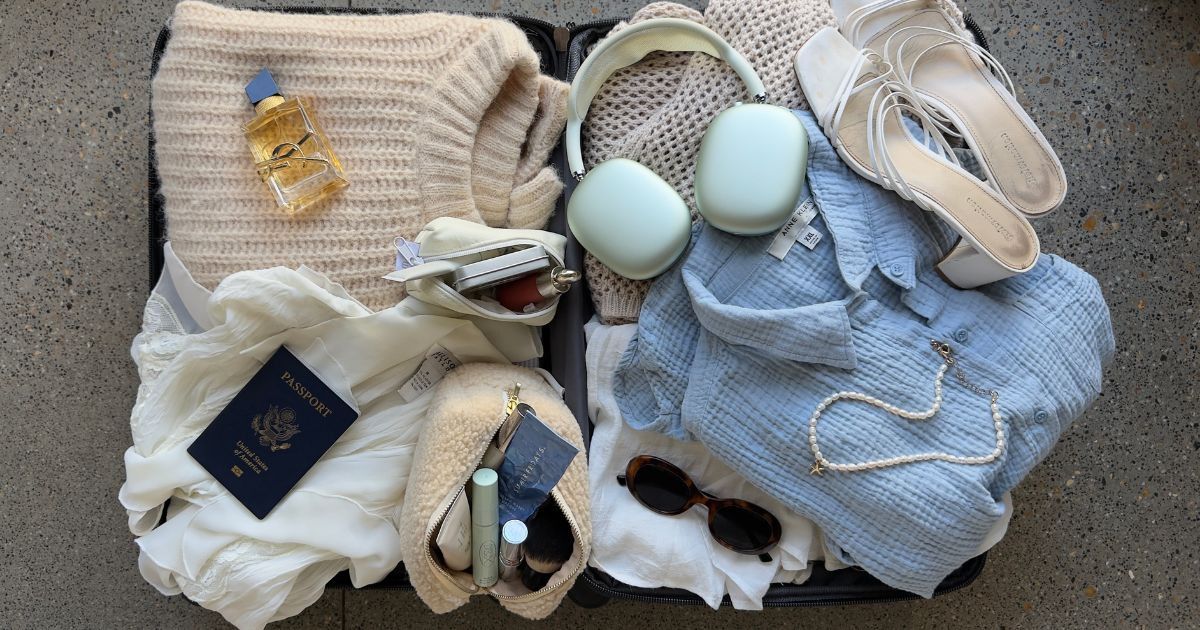
Packing sounds easy until you forget something important and realize it halfway through your trip. Over the years, I’ve learned one simple truth: travel stress usually starts with poor packing.
This guide breaks down a realistic,
experience-based travel essentials list not the overstuffed checklists you see everywhere. Whether you’re traveling for work, vacation, or adventure, this list focuses on what you actually need, not what looks good on Pinterest.
Why a Proper Travel Essentials List Matters
A proper travel essentials list matters because it helps you stay organized, stress-free, and fully prepared for any situation during your journey. When you plan ahead and write down everything you need, you reduce the chances of forgetting important items likeTravel Essentials documents, medications, chargers, or personal care products.
This not only saves time but also prevents unnecessary expenses that can arise from buying things at higher prices while traveling. A well-made list also allows you to pack smarter,
avoiding overpacking and keeping your luggage light and manageable. It helps you prioritize essentials based on your destination, weather, and activities, ensuring comfort and convenience throughout the trip. Most importantly, having a clear Travel Essentials checklist gives you peace of mind, so you can focus more on enjoying the experience rather than worrying about what you may have left behind.
Most travelers either:
- Overpack and struggle with heavy luggage
- Underpack and end up buying things again
A smart travel essentials list helps you:
- Save time and money
- Stay organized
- Travel Essentials lighter and smarter
- Avoid last-minute panic
In short, packing well = traveling better.
Essential Travel Documents (Non-Negotiable)
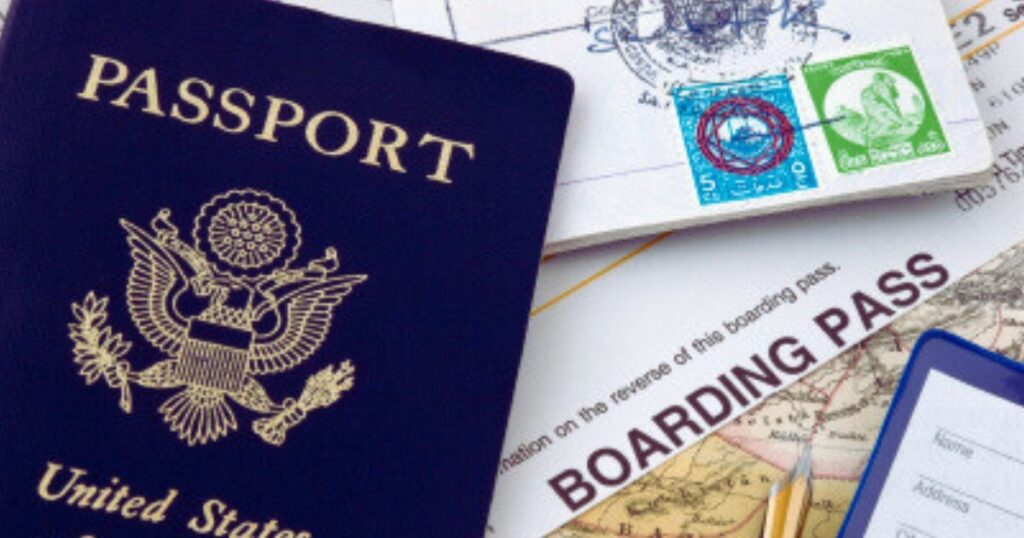
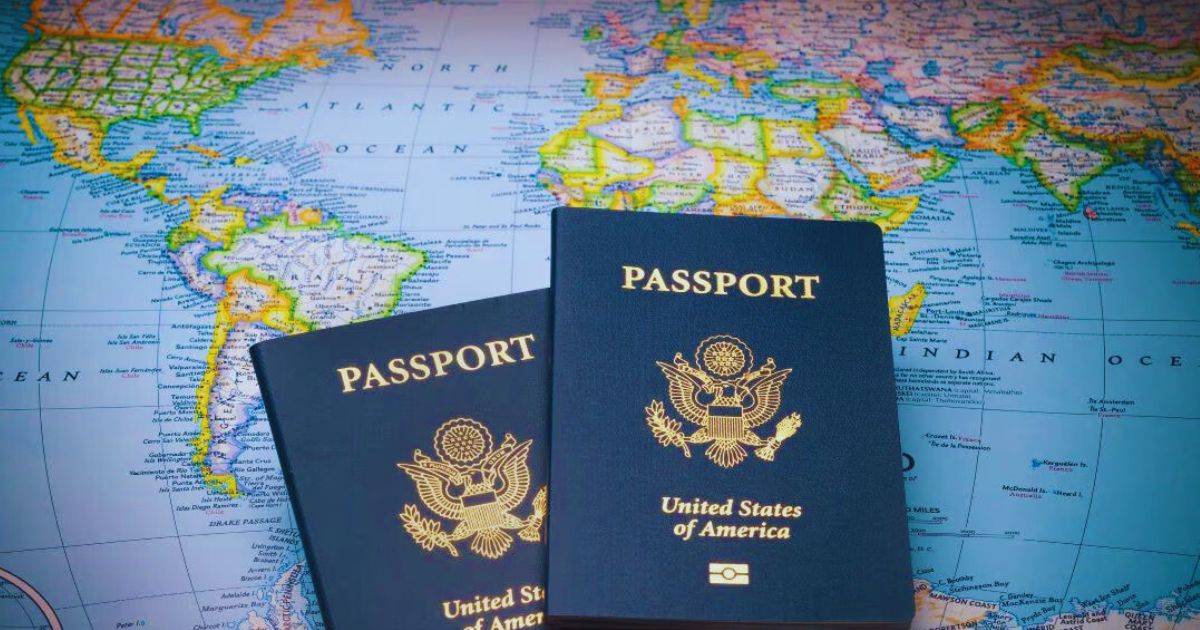
Essential travel documents are non-negotiable because they form the foundation of a smooth and hassle-free journey. Without the right paperwork, even the most carefully planned trip can come to a sudden stop. Your passport, visa, and national ID are the first things you should secure, as they are required for airport check-ins, border crossings, and hotel registrations. Keeping both physical and digital copies of these documents adds an extra layer of safety in case of loss or theft.
Travel Essentials insurance papers are equally important, providing financial and medical protection if unexpected situations arise. Boarding passes, hotel confirmations, and itinerary details help you stay organized and confident throughout your trip.
By storing all essential documents in a dedicated travel wallet or secure app, you reduce stress and save valuable time. Proper document management ensures that you can focus on your journey instead of dealing with avoidable problems.
No matter where you’re going, these travel necessities should always be checked first:
- Passport / CNIC (with photocopies)
- Visa documents (if required)
- Boarding passes (digital + offline copy)
- Hotel reservations
- Travel Essentials insurance details
- Emergency contact information
Pro tip (from experience):
Keep both digital and paper copies. Phone batteries die, paper doesn’t.
Clothing Essentials: Pack Smart, Not More

Packing smart instead of packing more is the key to building a practical and efficient travel wardrobe. Clothing essentials should be chosen based on versatility, comfort, and the climate of your destination. Start with neutral-colored outfits that can be mixed and matched to create multiple looks without taking up extra space in your luggage. Lightweight, breathable fabrics are ideal for long Travel Essentials days, while a compact jacket or layer can prepare you for unexpected weather changes.
Don’t forget comfortable footwear that supports walking and exploring without causing discomfort. Rolling your clothes instead of folding them can save space and reduce wrinkles. By focusing on quality over quantity,
you not only keep your bag lighter but also make dressing easier throughout your trip, allowing you to spend more time enjoying the journey and less time worrying about what to wear.
Clothing is where most people overpack. The goal is versatility, not quantity.
What Works for Any Trip
- 3–5 breathable tops
- 2 bottoms (jeans + lightweight pants)
- 1 warm layer (hoodie or jacket)
- Sleepwear
- Underwear & socks (always pack 1 extra)
Shoes
- 1 comfortable walking pair
- 1 secondary pair (sandals or formal shoes)
Expert insight:
Stick to neutral colors; they mix easily and reduce total outfits needed.
Travel Gear That Actually Matters
Good Travel Essentials doesn’t add weight, it removes problems.
Must-Have Travel Gear
- Lightweight backpack or carry-on
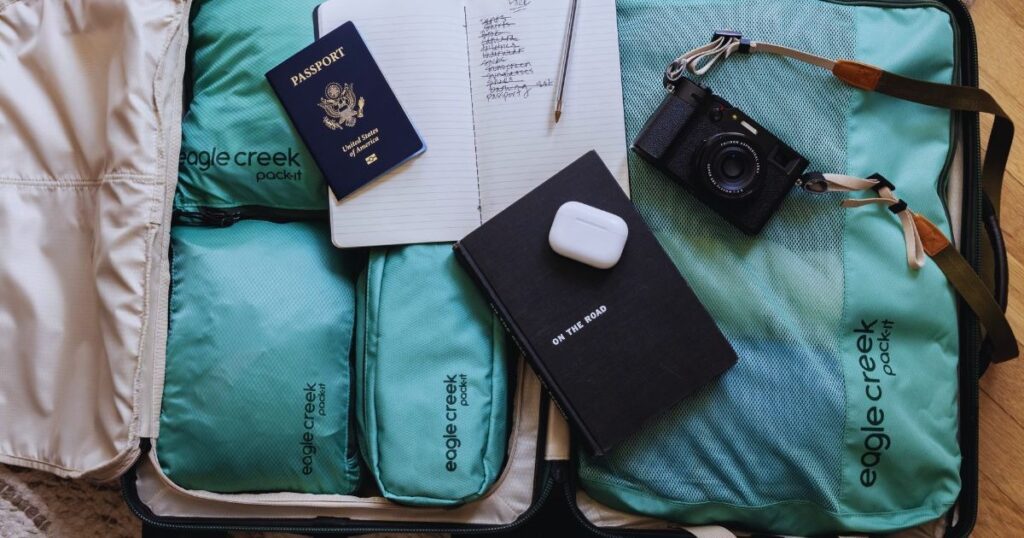
- Packing cubes (game-changer for organization)
- Reusable water bottle
- Compact umbrella
- Luggage lock
Packing cubes alone can cut packing stress in half. Once you use them, you never go back.
Toiletries & Personal Care Essentials

Toiletries and personal care essentials play a major role in keeping you comfortable, confident, and refreshed while traveling. Start with the basics such as a toothbrush, toothpaste, deodorant, and Travel Essentials-sized shampoo and body wash to maintain your daily hygiene routine. Skincare products like moisturizer and sunscreen are important, especially when you are exposed to different climates and long hours outdoors.
A compact grooming kit, including a razor, nail clippers, and hairbrush, helps you stay neat and presentable throughout your journey. Don’t forget personal medications and a small first-aid pack for minor issues like headaches or cuts.
Using leak-proof containers and a dedicated toiletry bag keeps your luggage clean and organized. By packing only what you truly need in convenient sizes, you save space while ensuring that your personal care routine stays simple, effective, and stress-free wherever you go.
Forget luxury, focus on functionality.
Core Toiletries
- Toothbrush & toothpaste
- Travel Essentials-size shampoo & soap
- Deodorant
- Razor or grooming kit
- Sunscreen
Personal Care Extras
- Lip balm
- Moisturizer
- Wet wipes
- Small towel or face cloth
Limit liquids if flying. Solid alternatives save space and avoid leaks.
Tech Essentials for Modern Travelers
In 2025, tech is no longer optional; it’s part of Travel Essentials survival.
Tech You Actually Need
- Smartphone
- Charging cables
- Power bank
- Universal Travel Essentials adapter
- Earphones or noise-canceling headphones
Real-world tip:
A 10,000–20,000mAh power bank is the sweet spot of enough power without airline issues.
Health, Safety & Emergency Items
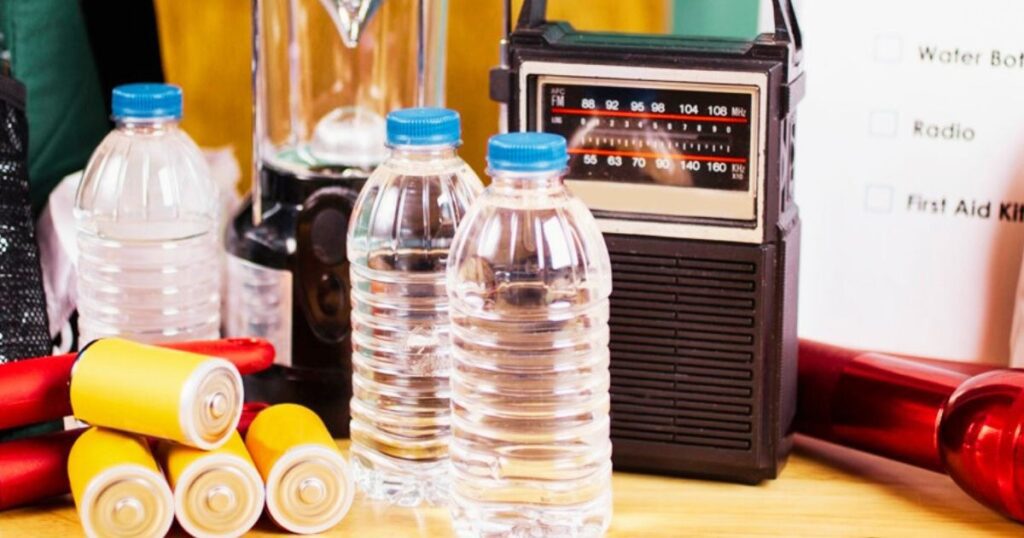
Health, safety, and emergency items are essential for protecting your well-being and giving you peace of mind while traveling. A basic first-aid kit with bandages, antiseptic wipes, and pain relievers can handle minor injuries or sudden discomfort. Personal medications should always be packed in your carry-on to ensure they are accessible at all times.
Including items like hand sanitizer, face masks, and insect repellent helps you stay protected from germs and environmental risks.
A small flashlight or phone power bank can be useful in unexpected situations such as power outages or delayed travel plans. It is also wise to carry emergency contact information and local emergency numbers for your destination. By preparing for the unexpected, you reduce stress and increase your confidence, allowing you to focus on enjoying your trip while knowing you are ready to handle common travel-related challenges.
These are often forgotten until you need them.
Health Essentials
- Personal medications
- Pain relief tablets
- Motion sickness meds
- Hand sanitizer
Safety Items
- Small first-aid kit
- Emergency cash
- Anti-theft pouch or money belt
This part of your vacation packing may seem boring but it’s the most important
Carry-On vs Checked Luggage Essentials

Understanding the difference between carry-on and checked luggage essentials can make your travel experience much smoother and more efficient. Your carry-on should include items you cannot afford to lose or need quick access to, such as travel documents, medications, valuables, electronics, chargers, and a change of clothes.
This ensures you are prepared even if your checked bag is delayed or misplaced. Checked luggage, on the other hand, is best for larger and less critical items like extra clothing, shoes, and full-sized toiletries. Organizing your belongings into separate pouches or packing cubes helps keep everything easy to find.
By thoughtfully dividing your essentials between carry-on and checked bags, you improve convenience, reduce stress at security checkpoints, and maintain comfort throughout your journey, no matter how long or complex your travel plans may be.
Carry-On Should Always Include:
- Documents
- Phone + charger
- Medications
- One change of clothes
- Toiletries (TSA-approved)
Checked Luggage:
- Clothing
- Shoes
- Non-essential items
If luggage gets lost, your carry-on saves your trip.
Common Packing Myths (What You Don’t Need)
Let’s clear some myths:
“I’ll wear everything I pack”
“Just in case items are necessary”
“More options = better travel”
Reality:
Most travelers use 60% of what they pack. Simpler lists lead to better trips.
Comparison Table
| Item Type | Essential | Optional |
| Documents | ✅ | ❌ |
| Power Bank | ✅ | ❌ |
| Extra Shoes | ❌ | ✅ |
| Hair Tools | ❌ | ✅ |
| Packing Cubes | ✅ | ❌ |
Key Takeaways
- A travel essentials list should be practical, not long
- Focus on multi-use items
- Pack for comfort, safety, and flexibility
- Avoid “just in case” thinking
- Smart packing = stress-free travel
Conclusion
Packing doesn’t need to be stressful. With the right travel essentials list, you stop guessing and start traveling confidently.This guide isn’t about packing more, it’s about packing better. Once you travel this way, you’ll wonder why you ever did it differently.Understanding a travel essentials list explained guide helps you pack wisely and avoid missing important items during any trip.
FAQs
What is the most important item on a travel essentials list?
Your travel documents. Everything else can be replaced.
How do I avoid overpacking?
Lay everything out, then remove 30%. You won’t miss it.
Should I pack differently for short trips?
Yes. Short trips need fewer clothes but same essentials.
Is travel gear really necessary?
Good travel gear improves comfort, safety, and organization.