

Carry-On Bags: The Ultimate 2026 Guide to Smart
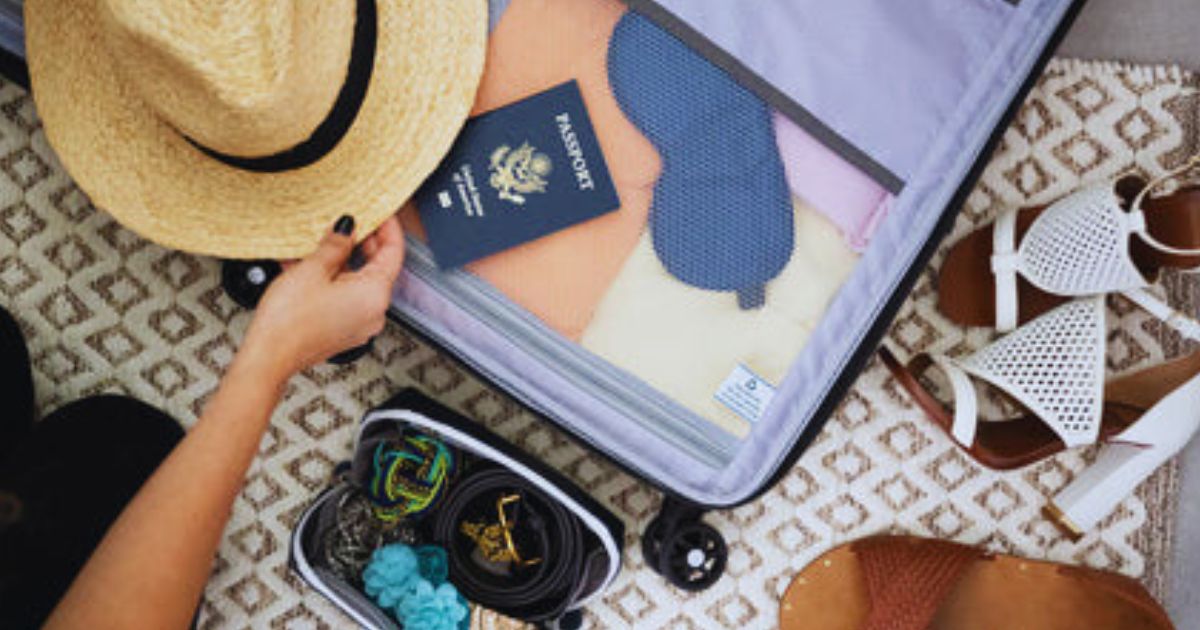
If you’ve ever stood at an airport baggage carousel watching everyone else’s suitcase spin past while yours is nowhere to be found, you already understand the value of carry-on bags.
In 2025, flying light isn’t just convenient, it’s strategic.With rising baggage fees, tighter layovers, and unpredictable travel disruptions, choosing the right carry on luggage can completely change your travel experience.
After testing multiple styles on business trips, weekend city breaks, and long-haul flights, I’ve learned one thing: not all carry-on bags are created equal. Let’s break it down properly.
Table of Contents
- What Are Carry-On Bags?
- Types of Carry-On Options
- Airline Size Rules (2025)
- Comparison Table
- How to Choose the Best One
- Pros & Cons
- 2025 Trends
- FAQs
Key Takeaways
- Most airlines allow 22 x 14 x 9 inches for carry on luggage (always verify).
- Rolling carry on luggage is best for business travel.
- Backpacks offer flexibility for budget and adventure travel.
- Hardside models protect electronics better.
- Lightweight design matters more than extra compartments.
What Are Carry-On Bags?

Carry-on bags are compact travel bags designed to fit in overhead bins or under airplane seats. Unlike checked baggage, they stay with you throughout the trip.
The biggest benefit?
Control.
No waiting. No lost luggage. No surprise baggage fees.
But here’s where it gets interesting: the design you choose affects everything from airport mobility to packing efficiency.
Types of Carry-On Bags
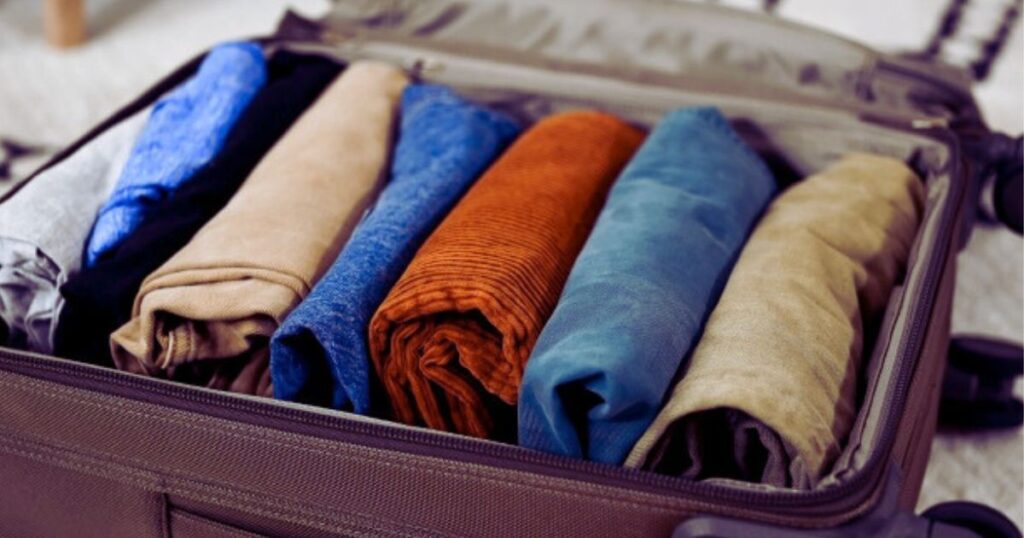
Carry-on bags come in several styles, and choosing the right one depends on how and where you travel. The most popular option is rolling carry-on luggage, which features a spinner or two wheels and a telescopic handle for easy airport movement. It’s ideal for business trips and smooth surfaces.
A hardside carry on suitcase offers strong protection, making it perfect for travelers carrying laptops or fragile items. On the other hand, a softside carry-on suitcase is lighter and expandable, which helps if you tend to pack extra items. Travel backpacks are another practical choice, especially for budget airlines and short trips,
since they fit easily under seats and allow hands-free movement. Some travelers also prefer hybrid designs that combine wheels and shoulder straps. Each type has its own strengths, so the best carry-on bags are the ones that match your travel style, packing habits, and mobility needs.
1. Rolling Carry-On Luggage
This is the classic choice. Four wheels, telescopic handle, structured body.
Best for:
- Business travelers
- Tech-heavy packing
- Smooth airport floors
Rolling carry-on luggage glides effortlessly, especially in large airports. However, cobblestone streets? Not so fun.
2. Softside Carry On Suitcase
Made of fabric materials like nylon or polyester.
Pros:
- Expandable
- Lighter weight
- Flexible fitting in tight bins
Cons:
- Less impact protection
- Can look worn faster
If you pack last-minute extras, softside wins.
3. Hardside Carry On Suitcase
Usually made from polycarbonate or ABS plastic.
Pros:
- Better protection for laptops and cameras
- Water resistant
- Modern look
Cons:
- Less expandable
- Scratches visible
For tech travelers carrying keyboards, gadgets, or gaming accessories this is a safer bet.
4. Travel Backpacks
The underrated hero.
Ideal for:
- Budget airlines
- Digital nomads
- Short trips
Backpacks maximize mobility but require smarter packing discipline.
Airline Size Rules

Understanding airline size rules is essential before buying carry-on bags, because even a one-inch difference can cause problems at the gate. Most major airlines allow carry-on luggage up to 22 x 14 x 9 inches (including wheels and handles). However, budget airlines often have stricter limits, especially for personal items that must fit under the seat.
Weight limits also matter. Many international airlines restrict carry-on suitcase weight to 7–10 kg (15–22 lbs), while some U.S. airlines do not enforce weight but focus on size.
One common mistake travelers make is measuring only the main compartment and ignoring wheels or expanded sections. Airline sizes at airports include everything handles, wheels, and outer pockets
Always check airline policies before buying a carry on suitcase.
Weight limits matter too; some airlines enforce 7–10 kg caps internationally.
Comparison Table
| Feature | Hardside | Softside | Backpack |
| Protection | High | Medium | Low |
| Flexibility | Low | High | High |
| Mobility | Smooth | Smooth | Maximum |
| Best For | Tech travel | Flexible packing | Adventure trips |
| Expandable | Rare | Yes | No |
How to Choose the Best Carry-On Bags

Choosing the best carry-on bags isn’t just about picking something that fits airline size limits, it’s about matching the bag to how you actually travel. First, think about your travel style. If you walk long airport distances or change flights often, rolling carry-on luggage with spinner wheels can save your shoulders and speed up movement. For frequent flyers carrying tech like laptops, accessories, or cameras a hardside carry-on suitcase offers stronger protection against bumps and drops.
If flexibility matters such as packing extra clothes or souvenirs a softside carry-on suitcase with expandable pockets is a better fit. Travel backpacks are great for budget trips or city breaks, especially when you want hands-free mobility.
Finally, consider weight, wheel quality, handle comfort, and built-in organization. A lightweight, well-organized bag that suits your packing habits will make travel smoother and less stressful
Layer 1: Surface Features
Look at:
- Wheels (spinner vs two-wheel)
- Weight under 3 kg
- Handle durability
- TSA-approved locks
These are the basics most guides mention.
Layer 2: Functional Efficiency
Ask yourself:
- Do you pack tech?
- Do you overpack?
- Do you move across uneven surfaces?
For example, if you carry a mechanical keyboard or gaming gear, internal padding becomes crucial.
Layer 3: Strategic Travel Style
Here’s the insight most blogs skip:
Your travel identity matters.
- Business traveler → Rolling carry on luggage
- Minimalist weekend explorer → Backpack
- Tech-focused digital worker → Hardside carry on suitcase
Your luggage should match your lifestyle, not just airline dimensions.
Real-World Use Cases
Business Trip (2 Days):
Rolling carry-on with laptop compartment.
European City Break:
Softside expandable case for souvenirs.
Budget Airline Travel:
Compact backpack to avoid extra fees.
Pros, Cons & Limitations
Pros
- Saves money
- Faster airport exit
- Lower risk of loss
Cons
- Limited packing space
- Must follow strict size rules
- Heavy tech can exceed weight limits
Common Myths About Carry On Luggage
Myth 1: Bigger is better.
Reality: Lightweight + organized wins.
Myth 2: Hardside is always stronger.
Reality: Cheap polycarbonate cracks easily.
Myth 3: Backpacks aren’t professional.
Reality: Modern tech backpacks look sleek and business-ready.
Trends in Carry-On Bags
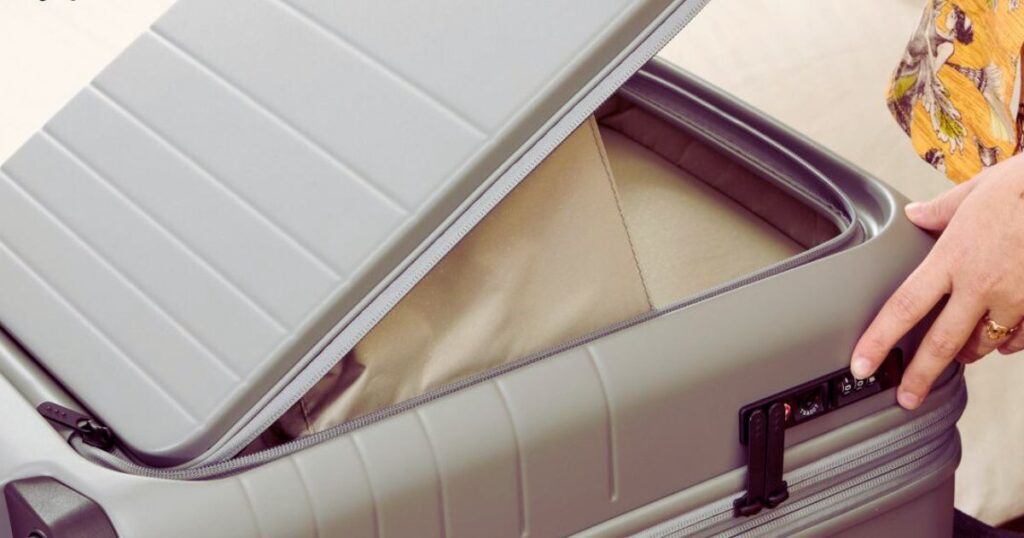
- Built-in USB charging ports
- GPS tracking integration
- Sustainable recycled materials
- Modular packing cubes included
- Anti-microbial linings
Travel gear is becoming smarter especially for tech-savvy users.
Ready to Travel Smarter?
Choose carry-on bags that match your travel goals, not just airline limits.
Before buying:
✔ Check airline rules
✔ Weigh the empty bag
✔ Test the wheels
✔ Read durability reviews
Smart packing starts with smart luggage.
Conclusion
In 2026 travel efficiency is more important than ever. The right carry-on bags reduce stress, save money, and improve mobility.
Don’t just buy luggage.
Choose a system that works for your travel style.Smart travelers don’t check bags they optimize them
Choosing the right carry-on bag makes your journey easier and more organized in 2026. To pack efficiently and avoid travel stress, explore our guide on Travel Smart Why You Should Use
FAQs
What size is standard for carry-on luggage?
Most airlines allow 22 x 14 x 9 inches, but always verify with your airline.
Is hardside or softside better?
Hardside offers more protection. Softside offers flexibility.
Are rolling carry-on luggage bags worth it?
Yes, especially for business or smooth-surface travel.
Can backpacks replace a carry-on suitcase?
Yes, for short trips and budget flights.