

First Aid Kit Essentials: Complete Guide for Home, Travel,
A first aid kit is one of those things you don’t think about until you desperately need it.
I learned this the hard way during a road trip when a simple knife slip turned into a bleeding mess, and our “kit” turned out to be two old band-aids and expired antiseptic. That moment completely changed how I look at first aid preparedness.
In this guide, I’ll break down first aid essentials, explain what actually matters, and show you how to build or choose the right kit for home, travel, and emergencies without over packing or wasting money.
Table of Contents
- What Is a First Aid Kit?
- Why a First Aid Is Still Essential in 2025
- Core First Aid Kit Essentials (Explained)
- Types of First Aid
- Comparison Table
- How to Choose the Right First Aid
- Smart Packing Tips Most People Miss
- Common Myths About First Aid
- Key Takeaways
- FAQs
- Conclusion
What Is a First Aid Kit?

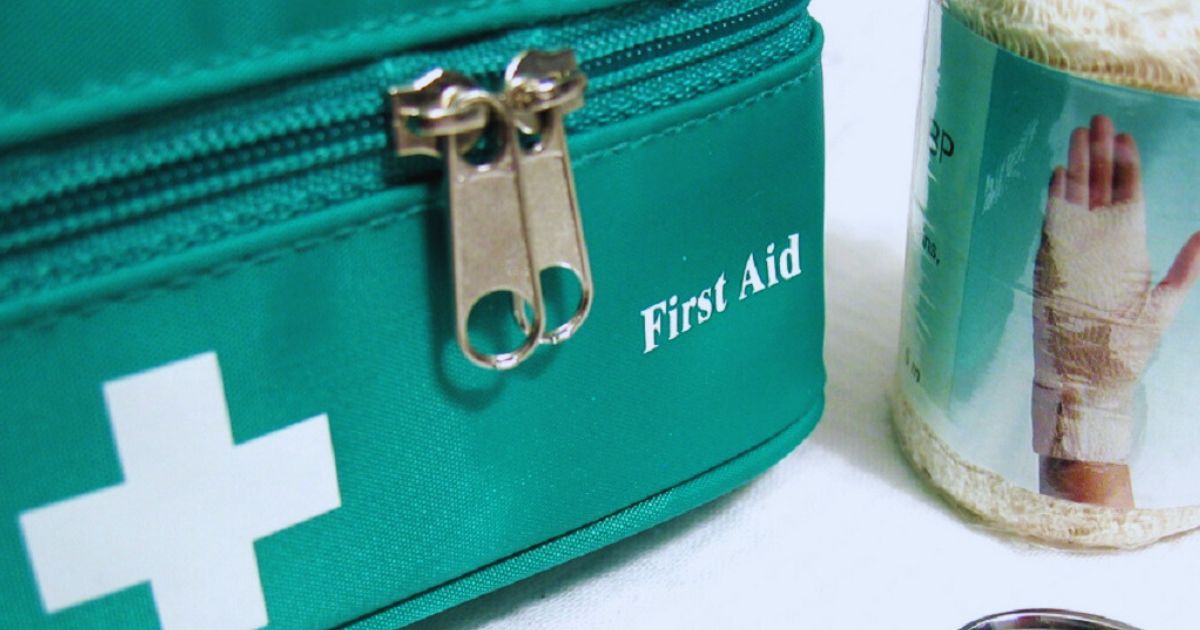
A first aid kit is a collection of essential medical supplies and tools that are used to provide immediate care for minor injuries and emergencies before professional medical help becomes available. It usually contains items like bandages, antiseptic wipes, gloves, scissors, pain relief medication, and basic wound care materials. The main purpose of a first aid kit is to help control bleeding, prevent infection, reduce pain, and stabilize a person in case of sudden illness or injury. Whether kept at home, in a car, at school, or in the workplace, a well-prepared first aid plays an important role in ensuring safety and quick response during unexpected situations.
At its core, a good kit helps you:
- Stop bleeding
- Clean wounds
- Reduce infection risk
- Manage pain
- Handle minor burns, cuts, and sprains
Think of it as your first response system, not a replacement for a doctor but the difference between calm control and panic.
Why a First Aid Kit Is Still Essential in 2026

Even in 2026, a first aid kit remains an essential part of everyday safety because accidents and sudden health issues can happen anytime, anywhere. Despite advancements in healthcare, emergency services, and smart technology, immediate access to basic medical supplies can make a critical difference in the first few minutes after an injury.
A first aid allows people to quickly treat cuts, burns, allergic reactions, or minor illnesses before the situation worsens. With more people travelings, working remotely, and spending time outdoors, having a well-stocked kit at home,
in vehicles, or at workplaces ensures preparedness and peace of mind. It acts as a simple yet powerful tool that helps protect lives and reduce the risk of complications while waiting for professional medical assistance.
Real-world stats that matter:
- Most injuries occur at home, not outdoors
- Over 60% of travel injuries are minor but require immediate care
- Early wound treatment can reduce infection risk by up to 70%
A properly stocked medical first aid buys you time, safety, and peace of mind especially in emergencies where help isn’t instantly available.
Core First Aid Kit Essentials (What You Actually Need)

A core first aid should include only the most important items that are truly useful in real-life situations, rather than unnecessary extras that take up space. The basics start with different sizes of adhesive bandages, sterile gauze pads,
and medical tape to properly cover and protect wounds. Antiseptic wipes or solutions are essential for cleaning cuts and preventing infection, while disposable gloves help maintain hygiene during treatment. Scissors and tweezers are useful for cutting bandages and removing splinters or debris. Simple pain relievers,
a digital thermometer, and an instant cold pack can also be valuable for managing discomfort and minor injuries. By focusing on these practical essentials, you ensure your first aid is lightweight, organizeds, and ready to handle the most common emergencies effectively
1. Wound Care Supplies (Non-Negotiable)
These handle 80% of common injuries.
- Adhesive bandages (multiple sizes)
- Sterile gauze pads
- Medical tape
- Antiseptic wipes or solution
- Antibiotic ointment
Why it matters:
Cleaning and covering wounds immediately reduces infection and speeds healing.
2. Bleeding Control Items
Cuts happen fast and bleed faster.
- Compression bandage
- Cotton rolls
- Disposable gloves
Expert insight:
Pressure control is more important than fancy tools. Even basic compression saves lives.
3. Burn & Skin Care
Burns are common in kitchens and camps.
- Burn cream or gel
- Aloe vera gel
- Non-stick pads
4. Pain & Symptom Relief
For headaches, fevers, and muscle pain.
- Pain relievers (paracetamol, ibuprofen)
- Antihistamines (for allergic reactions)
- Anti-diarrheal tablets
Tip: Always check expiry dates yearly.
5. Tools That Actually Help
Often forgotten, always needed.
- Scissors
- Tweezers
- Thermometer
- Safety pins
6. Emergency Extras
Small items, big impact.
- CPR face shield
- Emergency contact card
- Flashlight
Types of First Aid Kits (And What Changes)

First aid kits come in different types designed for specific environments and needs, and what’s inside them often changes based on where and how they will be used. A home first aid kit usually focuses on everyday injuries like cuts, burns, and fevers, while a workplace kit may include additional safety tools to meet health and compliance standards.
Travel and car kits are often more compact, prioritizing lightweight and portable supplies for quick roadside or on-the-go emergencies.
Outdoor and adventure kits, on the other hand, typically include items like insect bite treatments, blister care, and emergency blankets for harsher conditions. These variations ensure that each type of first aid kit is tailored to the risks of its environment, making it more effective and practical in real-world situations.
Not all kits serve the same purpose.
Home First Aid Kit
Best for:
- Cuts
- Burns
- Kids’ injuries
- Kitchen accidents
Focus: Variety + quantity
Travel First Aid Kit
A travel first aid kit must be compact and versatile.
Must-haves:
- Motion sickness tablets
- Blister treatment
- Insect bite relief
- Travel-size antiseptics
Key difference: Space efficiency matters more than volume.
Emergency First Aid Kit
Designed for disasters and delayed help.
- Heavy-duty bandages
- Trauma dressings
- Emergency blanket
- Extra gloves
This kit prioritizes stabilization, not comfort.
Comparison Table
| Feature | Home | Travel | Emergency |
| Size | Medium–Large | Compact | Medium |
| Focus | Daily injuries | Portability | Survival |
| Pain meds | ✔️ | ✔️ | Limited |
| Trauma care | Basic | Minimal | Advanced |
| Weight priority | ❌ | ✔️ | ❌ |
How to Choose the Right First Aid Kit

Ask yourself three questions:
1. Where will you use it most?
Home kits fail when taken on trips due to size.
2. Who will use it?
Kids, elderly, or medical conditions require customization.
3. How far is medical help?
The farther help is, the more complete your kit should be.
Pro tip:
Buying a ready-made kit is fine but always customize it.
Packing Tips Most People Miss
These small details separate a good kit from a great one.
- Store items by use, not size
- Label expiry dates
- Keep liquids in sealed bags
- Add instruction cards for stress moments
- Re-check kits every 6 months
I personally keep a printed wound care steps card because panic makes people forget basics.
Common Myths About First Aid Kits
“A small kit is useless”
Truth: Even a compact kit can handle most minor emergencies.
“I’ll buy one when I need it”
Emergencies don’t schedule appointments.
“More items = better kit”
Wrong. Relevance beats quantity every time.
Key Takeaways
- A first aid kit is essential for home, travel, and emergencies
- Core essentials handle most real-world injuries
- Different situations require different kits
- Packing smart matters more than packing more
- Regular maintenance keeps your kit reliable
Conclusion
A first aid kit isn’t just a box of supplies, it’s a quiet safety net.
Whether it’s a child’s scraped knee, a travel mishap, or a serious emergency,being prepared turns chaos into control. After years of traveling, driving, and dealing with everyday accidents, I can confidently say this:
The best first aid kit is the one you actually understand and maintain.Build it smart. Keep it ready. And hope you never need it but be glad when you do.
FAQs
What should every first aid kit include?
A basic kit should include bandages, antiseptic, gauze, pain relief, gloves, and scissors.
How often should I replace first aid kit items?
Check every 6–12 months and replace expired supplies immediately.
Is a travel first aid kit different from a home kit?
Yes. Travel kits focus on portability and multi-use items.
Can I build my own first aid kit?
Absolutely and it’s often better than pre-made kits if done correctly.